Lessons from the road
Lance Armstrong
Former professional cyclist, podcaster and investor
Own the fall out loud, then rebuild one day at a time.
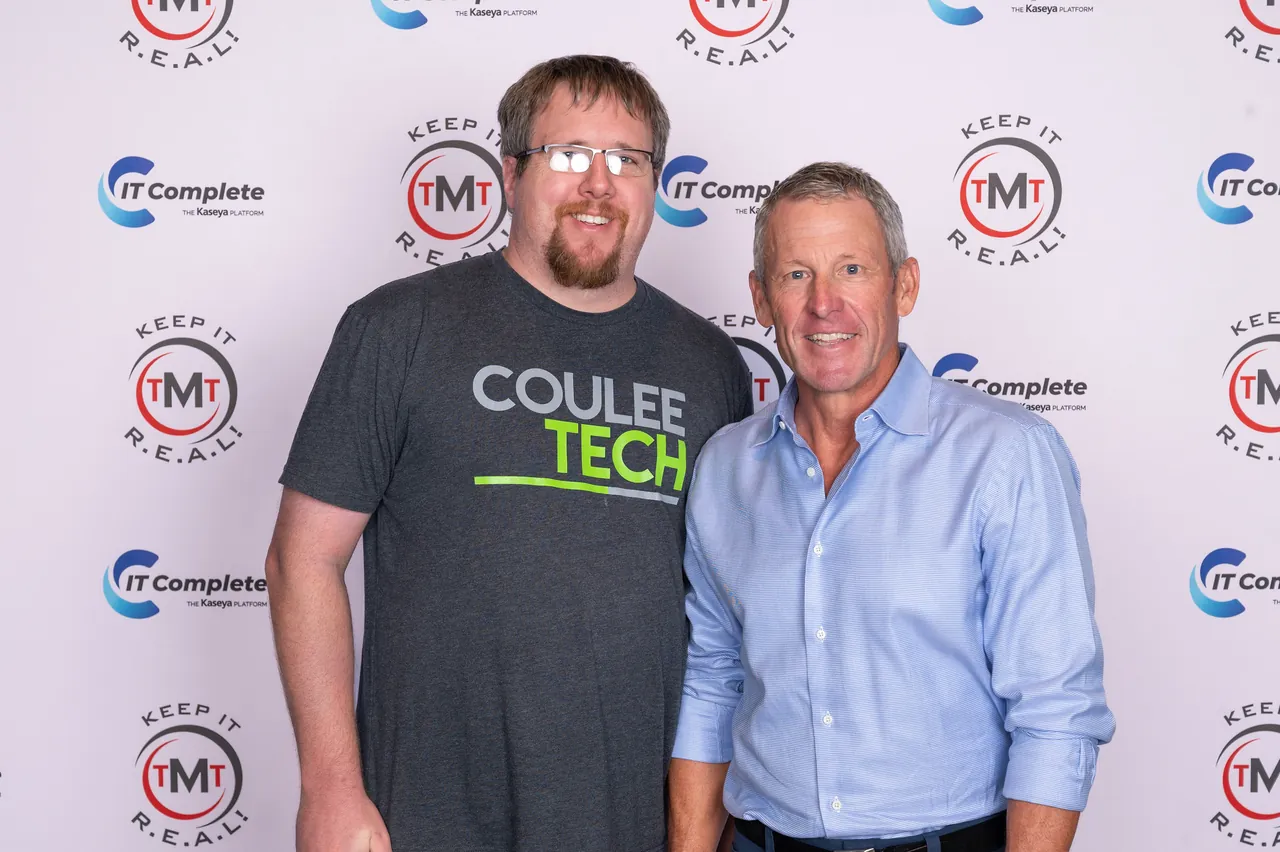
Rod met Lance Armstrong when Armstrong was the featured speaker, and heard him talk about the fall of his career and what came after. What stood out was how directly he talked about it. Armstrong did not hide behind excuses. He owned it, and he talked about how he grew from it.
That is why the story is useful to a room of business owners. Most people never have a public downfall, but plenty face a moment where the honest answer is expensive, and the temptation is to delay it.
What Armstrong built, and lost
Armstrong was diagnosed with advanced testicular cancer in 1996, at 25, and recovered. He won the Tour de France seven times in a row, from 1999 to 2005, and built the Livestrong foundation into a household name.
For years he denied using performance-enhancing drugs and attacked people who said otherwise. In 2012 the US Anti-Doping Agency concluded he had been at the center of a long-running doping program. He chose not to contest the charges. He received a lifetime ban and was stripped of his results from August 1998 on, including all seven Tour titles. Sponsors left almost at once.
In January 2013 he admitted to doping in an interview with Oprah Winfrey. Legal costs followed, including settlements with a bonus insurer and a 2018 agreement to pay $5 million to the US government in the Postal Service case.
Since then he has rebuilt a public life as a podcaster, including The Move, a cycling show, and as an investor. In 2009 he put $100,000 into Lowercase Capital, which took an early stake in Uber. Reports estimate that stake was worth tens of millions of dollars after Uber went public, and he has said it "saved our family."
What stuck with Rod
Armstrong did not ask the room to see him as a victim. He told the story as it happened, mistakes included, and then talked about the slow work of building a life and a business afterward.
The lesson Rod drew is simple: years of denial made the final bill far larger than the truth would have. And once trust is gone, there is no shortcut back. It comes back through years of showing up differently.
How Rod applies it
- Report early. After a security incident, the instinct is to wait until everything is understood. Rod's ransomware readiness work decides before anything happens who gets told, and how fast.
- Protect trust like revenue. An IT provider holds the keys to its clients' businesses. For the healthcare and manufacturing companies Coulee Tech serves, trust is the product.
- Do not cover for a mistake. If a change at Coulee Tech causes an outage, the first call to the client says what happened. Rod would rather deliver a hard message early than a worse one later.
- Rebuild with consistency. Trust comes back through repeated, ordinary good behavior. Rod brings that to AIBMM coaching, where leaders get honest answers about where their business actually stands.
Rod met each of these people at business growth events where they were the featured speaker. The lessons are his own takeaways and do not imply an endorsement by anyone pictured.
“I don’t think there will be a profession in the next year or two that isn’t heavily dependent on AI.”Rod Holum
Planning a conference, leadership retreat or team workshop? Tell Rod about it.
Request Rod to speak →