Lessons from the road
Tony Hawk
Skateboard legend and entrepreneur
Keep falling in public until you land it, then build on it.
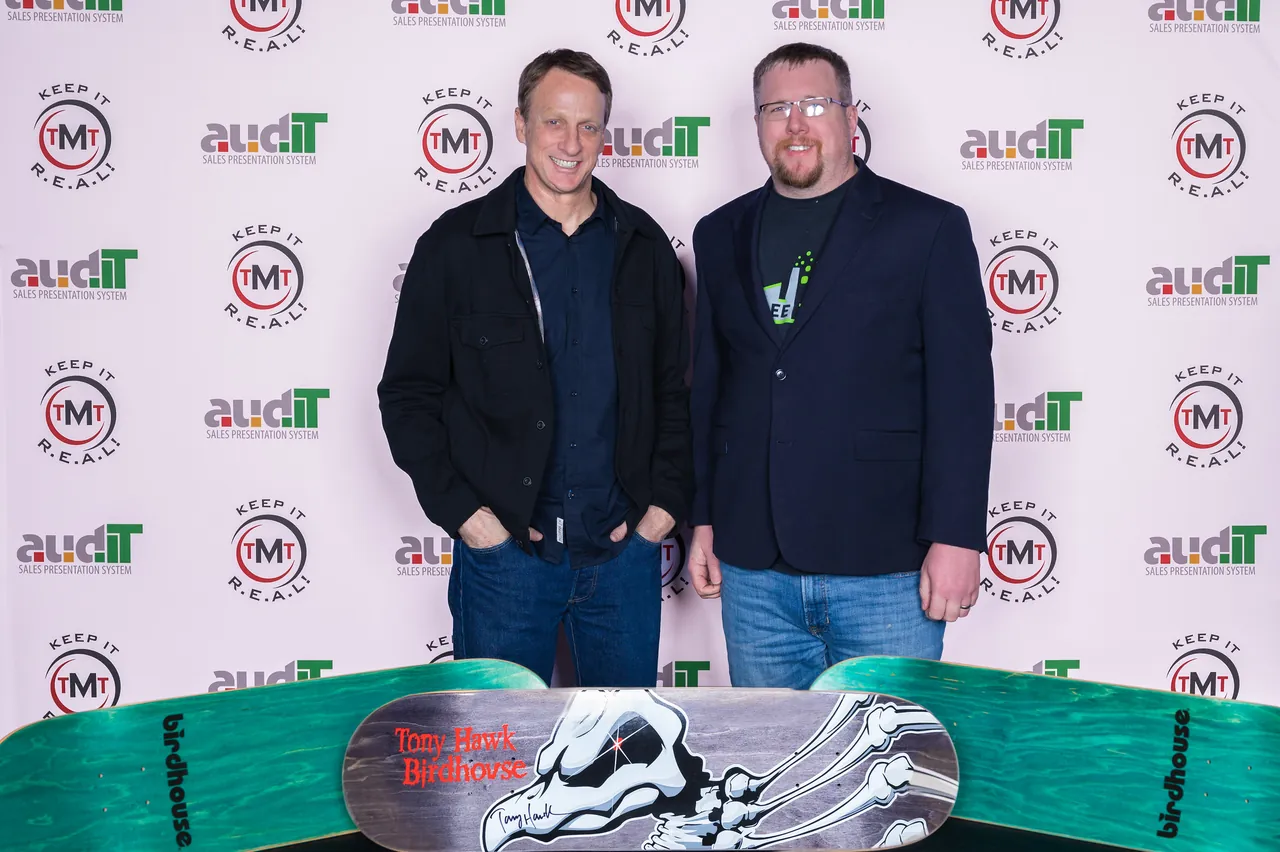
As a teenager, Rod spent hours on his Nintendo 64 playing Tony Hawk's Pro Skater with his brothers and friends. It was the kind of game that always earned one more run.
Years later, Rod got to talk with Hawk about that game and hear him tell, on stage, how it came to be and what his years at the X Games were like. For Rod it was a childhood fantasy come true: a living legend, in person.
What Hawk built
Hawk turned professional at 14. By 1999 he was one of the best-known skaters in the world, and he made history at that year's X Games in San Francisco by landing the first 900 (two and a half spins in the air) in competition. It took him twelve attempts, in front of a crowd, on the same day.
That same year the video game arrived. Activision first handed the idea to another studio, then moved it to Neversoft. In September 1998 the publisher approached Hawk, and he signed on after seeing what the team was building. He took a royalty deal rather than a one-time payment, and by one account it ended up paying him about ten times the original offer. Tony Hawk's Pro Skater came out on PlayStation in September 1999. The Nintendo 64 version, the one Rod played, followed in March 2000, and the series has run to 18 titles.
Hawk also helped start Birdhouse Skateboards, and in 2002 he created the Tony Hawk Foundation, renamed The Skatepark Project in 2020. It has funded more than 660 public skateparks across the United States.
What Rod heard
Hawk is publicly known for talking about the 900 and the many failed tries behind it, and about how the game came together and grew into a series. He was involved in the details, from the other skaters featured to feedback on early builds.
What stuck with Rod was how ordinary the work sounded. Show up, fail, adjust, try again. The fame came after years of that, not before.
How Rod applies it
- Fail where people can see. In prompting workshops, Rod has people write a prompt, watch it miss and fix it in front of the room. Hawk's twelve attempts are a good reminder that skill gets built in public.
- Own a share of what you build. Hawk took the royalty over the quick check, and it paid off for decades. Rod coaches leaders through the AI Business Maturity Model with the same view: build AI skills and processes the company owns, instead of renting a one-time shortcut.
- Let your name carry the product. The game worked because people trusted Hawk's name and his hand in the details. At Coulee Tech, a reputation for plain talk on cybersecurity does the same job.
- Bring the next kids in. Hawk funds skateparks so more kids have a place to start. Rod has taught tech skills through the Boys & Girls Club for the same reason.
Rod met each of these people at business growth events where they were the featured speaker. The lessons are his own takeaways and do not imply an endorsement by anyone pictured.
“I don’t think there will be a profession in the next year or two that isn’t heavily dependent on AI.”Rod Holum
Planning a conference, leadership retreat or team workshop? Tell Rod about it.
Request Rod to speak →